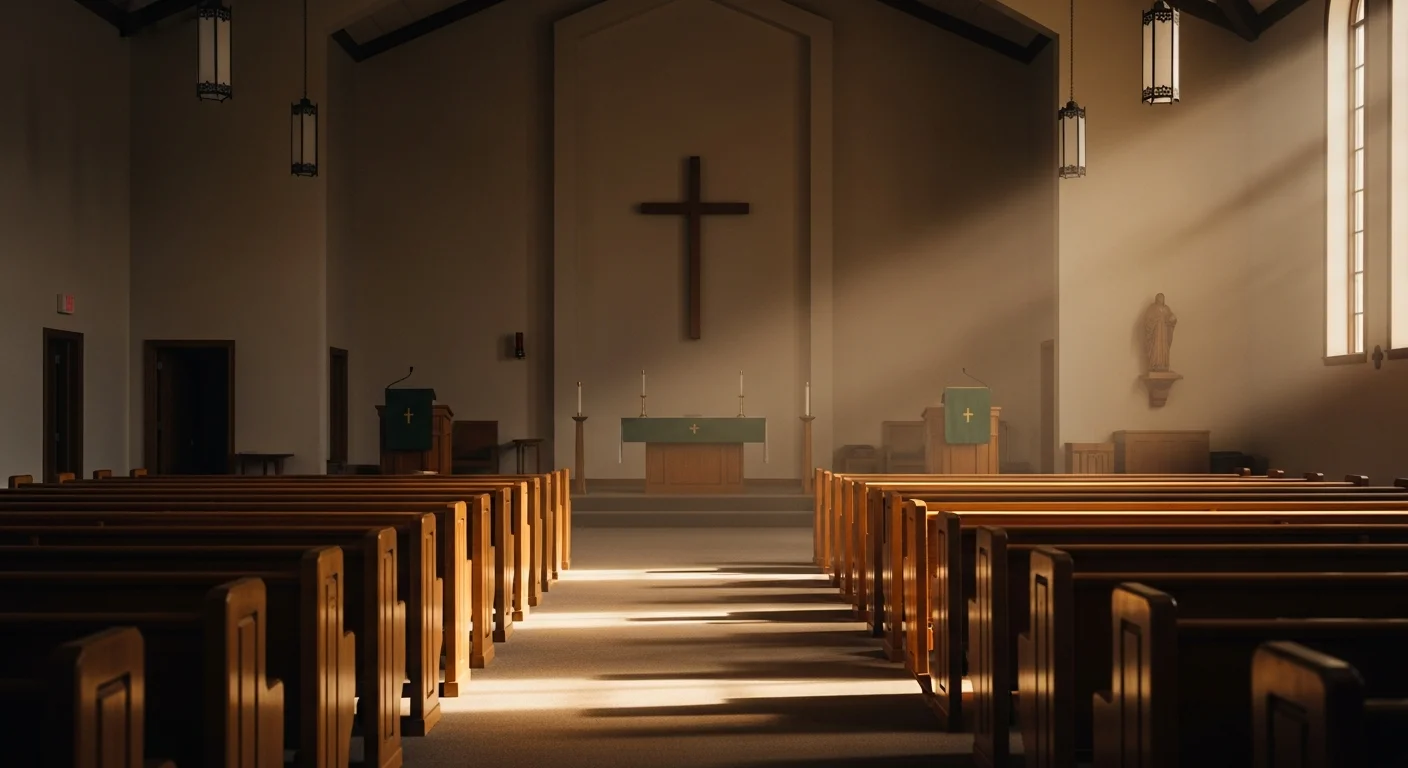
What a slow song is actually for
Every worship leader has felt the room change when the band drops out and a slow song breathes. The tempo is not a lull between the real songs. It is the part of the set where the congregation stops performing and starts praying. If the opener earns attention, the slow song spends it.
The catalog's slow lane runs from the mid-50s to about 72 BPM, and the best songs in that range are not interchangeable. Some adore. Some surrender. Some respond to a sermon and some prepare a table. Pick by function first, tempo second. Every title below links to a full page with keys, BPM, themes, and leadership notes.
Adoration: songs that look up
These slow songs point at God and stay there, which makes them the strongest candidates for the middle of a set when you want the room's attention off itself.
Worthy Is The Lamb (A, 68 BPM). Hillsong's Revelation text. The slow build is the point; resist rushing the final chorus.
Revelation Song (D, 66 BPM). Throne-room language at a walking prayer pace. One of the few slow songs that works as a set centerpiece for decades running.
Hymn Of Heaven (D, 70 BPM). Phil Wickham's hope-of-heaven text. Slow but bright, which makes it a rare slow song that can sit second in a set.
Worthy Of It All (D, 70 BPM). The long-form adoration option when you want space to linger.
Agnus Dei (A, 68 BPM). Michael W. Smith's setting still does what almost nothing else does: one line, repeated, until the room means it.
Surrender and response: songs that answer
These belong after the sermon or at the close, when the congregation needs words for a response.
Oceans (Where Feet May Fail) (D, 63 BPM). Still the reference point for slow-burn surrender. The bridge needs a vocalist with range, so check the female key before you chart it.
Make Room (F, 61 BPM). One of the slowest tempos in the catalog that congregations still carry. Surrender language without a single wasted line.
Nothing Else (C, 68 BPM). Cody Carnes' repentance-and-seeking song. Works best stripped to keys and one voice.
Spirit Lead Me (G, 59 BPM). Near the bottom of the catalog's tempo range. Do not add drums out of nervousness; the space is the arrangement.
Holy Spirit (D, 72 BPM). The Torwalts' invitation song, a proven closer for a response moment.
Comfort and trust: songs for a hurting room
When the week has been heavy, or the sermon touched grief, these hold the room without forcing resolution.
Steady My Heart (G, 68 BPM) and I Am Not Alone (C, 68 BPM). Kari Jobe's two anchors for anxiety and presence.
Peace Be Still (F, 72 BPM). Storm language that lets people name the storm.
Promises (Bb, 72 BPM) and Same God (Bb, 72 BPM). Faithfulness declarations at the top of the slow range, both of which can build if the moment asks for it.
King Of My Heart (G, 68 BPM). "You are good" as a slow refrain a congregation will keep singing after the band stops.
The slow 6/8 family
A handful of the most-sung slow songs are not in 4/4 at all. Goodness Of God (Ab, 63 BPM), O Come To The Altar (Bb, 72 BPM), Run To The Father (C, 68 BPM), Good Good Father (A, 72 BPM), and His Mercy Is More (F, 63 BPM) all live in compound meter, which is why they sway instead of plod. If your slow set feels flat, the fix is often meter, not tempo. The full family lives at worship songs in 6/8.
Leading slow without losing the room
Keep the click honest. Slow songs drift slower under emotional weight, and a 63 BPM song at 58 stops breathing and starts dragging.
Strip the arrangement before you strip the tempo. A slow song with a full band at full dynamics reads as a mid-tempo song with no energy. Pull instruments out and the same tempo starts feeling intentional.
Watch the keys on the big moments. Most of these sit comfortable for a male lead in the printed key, but bridges are where congregations bail. The male and female key recommendations on each song page exist for exactly this decision.
Two slow songs back to back is a choice, not a mistake, but they need different functions: adoration into response works; two surrender songs in a row asks the room to do the same work twice. For the full architecture, the guide on building a worship set that flows walks through tempo, key, and theme sequencing, and the tempo map organizes the whole catalog by BPM range.